How Often to Schedule a General Dentistry Appointment
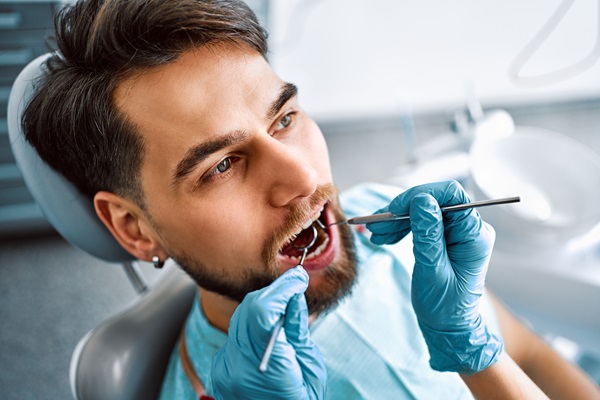
General dentistry aims to keep your teeth and gums healthy by educating you about proper oral hygiene and performing preventative treatments that protect against issues like gum disease and tooth decay. The American Dental Association recommends going to the dentist at least two times per year. These visits are used to evaluate the condition of your teeth and gums and to perform any necessary treatments.
Importance of biannual general dentistry appointments
Here is why general dentistry recommends coming in for a check-up at least twice a year.
1. It enables the dentist to monitor the patient’s gums and teeth
Visiting a dentist twice a year increases the odds of any developing issues being detected early. Dentists perform routine check-ups during these visits, carefully examining the patient’s teeth, gums, and the areas around their mouth. Many dentists also screen for oral cancer during these check-ups.
Diagnostic tests like X-rays are done periodically to examine the health of teeth roots and other structures below the gum line. The result of a patient’s check-up dictates what type of preventative or corrective treatments are recommended.
2. Teeth cleaning is performed
Teeth cleaning treatments are the foundation of general dentistry. The procedure protects patients from tooth decay and gum disease. A scaler is used to remove tartar and plaque deposits from teeth surfaces.
Tartar is the calcified version of plaque (the sticky film that builds up on teeth) that brushing cannot remove. It builds up on teeth when plaque is left on them for more than 24 hours.
The American Dental Association recommends getting teeth cleaning treatments twice a year to keep the teeth and gums healthy. People with gum disease might have to get them more frequently to help stop the infection.
3. Restorative procedures can be recommended
Depending on what the dentist notices during a patient’s check-up, restorative treatments like dental fillings or the placement of crowns might be recommended. These treatments are often performed during the same visit, so the detected issue can be addressed immediately.
The more often a person goes to a dentist, the more likely any dental issues that they have will be noticed and treated early. That leads to lower dental bills; it is typically cheaper to treat dental problems in their infancy.
4. Cosmetic treatments can be done
Routine dental appointments are also ideal times to talk to a dentist about cosmetic treatments. General dentists can perform cosmetic treatments like teeth whitening, composite bonding, and the placement of restorations. At times, dentists might recommend cosmetic treatments based on the results of a patient’s check-up.
Frequently asked questions about general dentistry appointments
Let us go over answers to some commonly asked questions about routine dental checkups:
1. Do routine dental appointments prevent cavities?
Routine dental appointments significantly reduce your risk of developing cavities. Teeth cleanings are typically performed during these visits, which involve removing plaque and tartar from teeth surfaces. Tartar cannot be eliminated by brushing, so getting regular teeth cleanings goes a long way in safeguarding your teeth against cavities and gum disease.
2. What should I expect at my next routine dental appointment?
Routine dental appointments typically include the dentist examining the patient’s gums and teeth in search of any abnormalities. X-rays are taken once every couple of years to keep track of changes in the patient’s mouth that might not be noticeable to the naked eye. The appointment also includes the dentist talking to the patient about any cosmetic or restorative treatments they might need.
3. Are teeth cleanings painful?
Teeth cleanings are typically painless procedures, so local anesthetics are not needed. The process involves using a scaler to remove tartar and plaque from teeth surfaces. The scaler gently scrapes tartar off teeth, protecting them against gum disease and tooth decay. The process is typically completed within an hour, and it often ends with the dentist polishing the patient’s teeth.
In some cases, fluoride treatments are performed right after teeth cleanings. This typically involves the patient using a mouth rinse or biting down on a mouth tray filled with fluoride. It shields teeth from decay for up to six months.
Visit a dentist twice a year
Biannual dental appointments go a long way when it comes to preventing serious dental problems that may require invasive, expensive treatments. When was the last time that you went for a routine dental check-up? Call or stop by our Tinley Park clinic to set up an appointment with our dentist.
Request an appointment here: https://tinleyparksmiles.com or call Tinley Park Smiles & Implant Dentistry at (708) 675-7427 for an appointment in our Tinley Park office.
Check out what others are saying about our dental services on Yelp: General Dentist in Tinley Park, IL.
Related Posts
Visiting a general dentist for routine check-ups is an important part of maintaining optimal oral health. During these visits, patients have the opportunity to ask questions and gain insights into their dental care. Preparing with thoughtful questions helps ensure that all concerns are addressed and that you understand the most effective practice for maintaining a…
Visiting a general dentist regularly plays an essential role in maintaining optimal oral health and preventing common dental issues, such as cavities. Early detection by a general dentist can significantly reduce the likelihood of severe tooth decay and costly dental treatments. Through regular dental exams, general dentists employ various diagnostic tools and techniques to detect…
Routine visits to a general dentist create a strong foundation for lifelong oral health by combining preventative care, early detection, and personalized guidance that keep gums resilient. Skipping appointments often allows plaque, minor decay, or gum inflammation to advance unnoticed, leading to more complex procedures later. Understanding how consistent evaluations safeguard smiles encourages patients to…
Maintaining good oral health is essential at every stage of life, but it becomes especially critical for older adults, making regular visits to a general dentist crucial. A general dentist provides comprehensive dental care tailored to seniors' unique challenges, helping ensure comfort, functionality, and overall health. From routine check-ups and preventive care to specialized treatments…