Dental Implants: A Solution for Missing Teeth
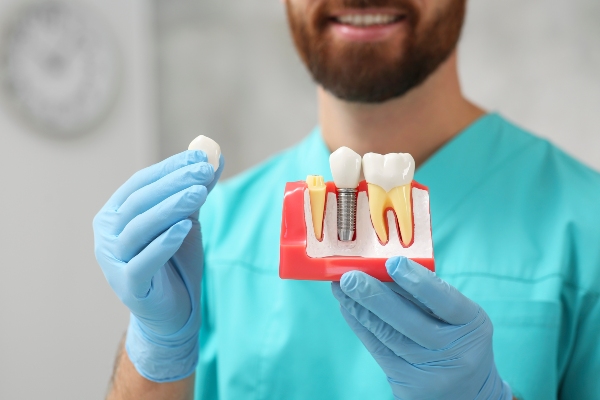
Dental implants are an effective and modern way to go about replacing missing teeth. If you are missing a tooth, you are not alone in your predicament; most people lose one or more of their permanent teeth over the course of their lives. People lose teeth due to trauma to the face, aging, or oral issues like periodontal disease. For many of these people, dental implants can provide a virtually indistinguishable solution from a natural tooth.
Living without some of your teeth creates a few challenges. First, not having a full set of teeth can restrict the foods you can consume, which can lead to nutritional imbalances. Also, having one or more missing teeth can make a person self-conscious about their appearance, lowering their confidence. Lastly, teeth play an important role when it comes to speech, so missing some teeth can lead to difficulty pronouncing words.
Why dental implants are a popular solution for missing teeth
Implants provide a solution for missing teeth that functions and feels natural. Implants serve as an anchor for restorations that are used to replace the patient's missing teeth. The implant replaces teeth roots that fall out when teeth are lost.
When used to replace a single tooth, an implant is fitted with a customized crown designed to look natural in the patient's mouth. The crown is attached to an abutment connected to the implant's external-facing end.
Implants are typically made from titanium — one of the strongest metals. It is durable enough to withstand bite forces experienced when chewing and is resistant to acids created by oral bacteria. Implants can last a lifetime when maintained with good oral hygiene. Though the crown portion will eventually need replacing, it can last over 10 years with proper care.
Implants are rod or screw-shaped restorations surgically inserted directly into the patient's jawbone. The implant is pushed into a hole made in the jaw and fuses with the bone tissues around it through a process called osseointegration.
Implants help to preserve a patient's jawbone tissues by transferring bite forces to the jaw when chewing. This gives bone tissues in the jaw all the stimulation they need in order to remain healthy.
Life with dental implants
Let us take a closer look at some of the reasons why implants are so popular with those looking to replace missing teeth:
- No need for special cleaning: Unlike other missing tooth replacement options like dentures which require special cleaning daily, implants do not come with this burdensome requirement
- Implants feel and look natural: Implants work similarly to the way real teeth work. It is virtually impossible to tell when a person has an implant
- Implants keep the teeth properly aligned: Teeth tend to try to close spaces that develop in a person's smile. Replacing a lost tooth with an implant prevents this from happening
Frequently asked questions about dental implants
Are you thinking about replacing missing teeth with implants? Let us go over some commonly asked questions:
1. Why are implants so popular?
Dental implants look and feel just like natural teeth, making them a popular missing teeth replacement option. Unlike other oral prosthetics like dentures which require specialized maintenance, brushing and flossing daily is the only maintenance required for implants.
Implants are just as stable as real teeth in the mouth, and they prevent the bone tissue breakdown that occurs when teeth fall out. Bite forces are transferred through the implant into the jawbone, keeping bone tissues adequately stimulated.
2. Do implants replace missing teeth directly?
No. Many people confuse implants with the crown that is placed on them. An implant is simply a metal rod or screw – usually made out of titanium – inserted into a patient's jawbone. It directly replaces the lost tooth's root, not the tooth itself.
Implants fuse with bone tissues around them, making them virtually as stable as natural teeth. A crown is then attached to the implant to replace the visible part of the lost tooth.
3. How long does replacing missing teeth with implants take?
It varies for each patient based on factors like how quickly the patient heals after implants are installed and the type of implants used. Same-day implants are covered with crowns the same day implants are placed, while dentists often wait for conventional implants to fuse with the jawbone before attaching a crown. Implants can take up to six months to fuse with surrounding bone tissues.
Replace your missing teeth
Ready for a better smile? Call our Tinley Park clinic for a consultation with our dentist and learn more about your options.
Please request an appointment here: https://tinleyparksmiles.com or call Tinley Park Smiles & Implant Dentistry at (708) 675-7427 for an appointment in our Tinley Park office.
Check out what others are saying about our dental services on Yelp: Dental Implants in Tinley Park, IL.
Related Posts
Maintaining good oral health takes consistent care and the right dentist. A family dentist can handle the dental needs of everyone in the family, making it easier to get personalized care all under the same roof. Whether your child needs to go to their first check-up or seek ongoing treatment for older adults, family dentists…
As a consistent dental provider, a family dentist can monitor a child's oral development as they get older. By closely observing their growth and alignment, the dentist can determine whether the child needs braces to correct dental concerns in their early stages. This proactive treatment helps prevent long-term issues and supports a healthy, confident smile.Once…
A family dentist plays a key role in the early identification and management of orthodontic issues. While many people think of orthodontic care as something that starts during the teenage years, the foundation for healthy, straight teeth can begin much earlier. A family dentist is often the first professional to spot potential orthodontic problems in…
Seeking timely gum disease treatment can reverse the early effects of tissue inflammation before permanent damage compromises the foundational structures of the mouth. The initial phase of gum disease, known as gingivitis, develops quietly without causing significant physical pain or obvious distress to the patient. Our general dentist identifies these subtle tissue changes during routine…