Dental Bridges, Explained: Types, Benefits, and Longevity
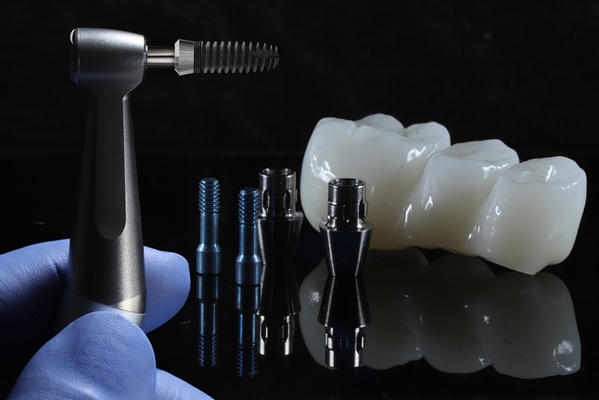
A dental bridge is a tried-and-true way to replace missing teeth, restore chewing function, and protect remaining teeth from shifting. Modern materials, precise digital planning, and evidence-based protocols allow a bridge to blend seamlessly with surrounding teeth and support the health of the smile. With the right bridge design and care routine, patients can experience enhanced daily comfort and smile aesthetics for years.
Types of dental bridges
There are several types of dental bridges, each designed to match different anatomies, bite forces, and aesthetic goals. A dental provider will carefully assess gum health, enamel integrity, and the gap left by missing teeth to recommend a bridge type. Options include:
- Traditional dental bridge. Uses dental crowns on the teeth adjacent to the gap to support one or more replacement teeth (pontics).
- Cantilever dental bridge. Anchors to a single adjacent tooth when only one side of the gap has ample support.
- Maryland (resin-bonded) bridge. Bonds a metal or ceramic wing to the backs of neighboring teeth, preserving more natural tooth structure.
- Implant-supported bridge. Rests on dental implants (replacement tooth roots topped by crowns) instead of natural teeth, protecting healthy tooth structure and helping maintain the jawbone.
When recommending a bridge type, a dental provider considers span length, abutment strength, gum contours, and material options such as zirconia, porcelain-fused-to-metal, or high-strength ceramics. Digital scans and bite analysis inform design decisions, including the number of abutments, pontic shape, and connector dimensions. The goal is a natural appearance, efficient function, and straightforward maintenance.
More on choosing the right bridge type for your oral health needs
Selecting the ideal dental bridge type depends on several interrelated factors. The periodontal status, bone quality, and presence of existing restorations determine the feasibility of traditional or cantilever designs. For patients with pristine abutment teeth and stable bites, a Maryland bridge may preserve enamel while achieving aesthetic goals. When multiple adjacent teeth are missing or when abutment teeth offer limited support, an implant-supported bridge can restore function without altering healthy enamel.
Lifestyle and hygiene habits also influence the choice. Patients who prioritize minimal tooth preparation may opt for conservative bonding, provided that bite forces and enamel conditions are suitable. Meanwhile, those who want maximum chewing capacity for tougher foods may benefit from implant-supported designs with carefully planned implant positions. A dental provider integrates these clinical and personal factors into a clear recommendation. To ensure the treatment plan supports predictable results, patients can request detailed timelines, costs, healing tips, and care expectations.
Benefits of dental bridges
Replacing a missing tooth or multiple teeth stabilizes the bite and reduces the risk of shifting and uneven wear. A well-designed dental bridge redistributes chewing forces, supports clear speech, and limits food trapping that can irritate gums. Many patients report improved confidence in social and professional settings because the restored tooth shape and color blend in well with their smile. These functional and aesthetic gains can encourage better home care and regular checkups, which further strengthen long-term oral health.
Beyond day-to-day function, bridges can protect other teeth. For example, strategic coverage of weakened or cracked abutment teeth may reinforce the structure of the smile. In addition, maintaining proper arch form can support jaw joint comfort by reducing strain on muscles and ligaments.
How long do dental bridges last?
The expected lifespan of a dental bridge varies depending on the material, bite forces, gum health, and the patient's level of care. Well-maintained bridges frequently provide many years of function. Strong abutments, accurate fit, and high-quality cements reduce the risks of debonding or recurrent decay at the margins. A balanced bite and protective measures, such as nightguards for those who grind their teeth, further extend longevity.
To help dental bridges last as intended, make sure to floss beneath them daily. Floss threaders can slide beneath the pontic to disrupt plaque where standard floss cannot reach. Interdental brushes and water flossers add support in contours that are challenging to access. Also, brush the bridge twice daily just like natural teeth.
Beyond oral hygiene, try to avoid foods or habits that could damage the pontic, such as chewing ice or hard candies with the bridge. Finally, attending regular dental checkups every six months helps keep the bridge and the smile in good shape.
Learn more about dental bridges today
A well-planned dental bridge restores form and function with natural-looking results. Thorough examination, thoughtful material selection, and disciplined care create a solid foundation for treatment success. Learn more about dental bridges and whether they could be the right tooth replacement for you. Contact our Tinley Park team today.
Request an appointment here: https://tinleyparksmiles.com or call Tinley Park Smiles & Implant Dentistry at (708) 675-7427 for an appointment in our Tinley Park office.
Check out what others are saying about our dental services on Yelp: Dental Bridges in Tinley Park, IL.
Related Posts
Dental bridges are a reliable and effective solution for replacing missing teeth, restoring both the function and appearance of the smile. They fill the gaps created by one or more absent teeth, preventing surrounding teeth from shifting and maintaining proper alignment. Dental bridges offer a long-term solution that supports oral health, enhances chewing and speaking,…
Dental crowns are protective covers or caps that fit over the visible portion of teeth. Over time, teeth endure damage from injuries, tooth decay and other wear and tear. Teeth might become misshapen, cracked, or decayed. Professionals cement the crown atop the tooth to restore its strength, appearance, and size.Crowns may consist of various materials,…
How long dental crowns last depends on how well you take care of them. A crown is expected to last about 15 years, but with the proper care, it could last twice as long. If a crown eventually does wear out, you need to have a replacement because the tooth underneath has been permanently altered.…
A dental crowns can treat many oral issues. Also known as dental caps, crowns cover up damaged teeth completely, instantly restoring their form and function. The cosmetic and restorative properties of caps make them so popular with dentists. A dental crown is a way to extend the life of a badly damaged tooth and avoid…