6 Everyday Benefits of Choosing Snap-In Dentures
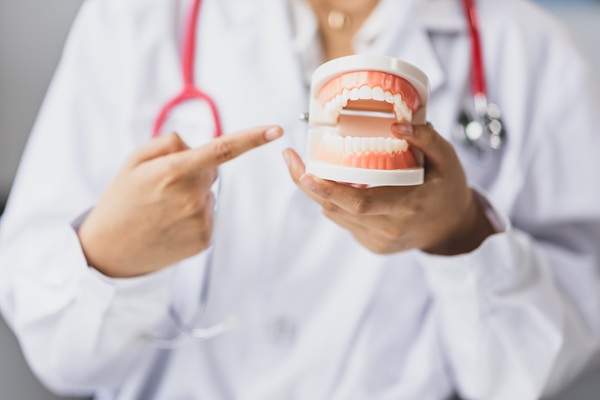
Snap-In Dentures can provide additional support for patients who need removable tooth replacement. These appliances connect to dental implant attachments for a more secure feel during daily activities. Our dentist evaluates oral health, bone support, bite function, and treatment goals during a consultation. Here are six benefits to consider before scheduling your consultation.
1. Greater stability throughout the day
One key benefit of snap-in dentures is added stability. The appliance connects to small attachments on dental implants, which helps reduce movement while speaking, smiling, or eating. This added support can make daily routines feel more predictable. Patients may feel more comfortable in social settings, as well.
A stable fit can also help reduce rubbing against the gums. Less movement may mean fewer sore spots when the appliance fits well. However, comfort still depends on proper design, adjustments, and healthy oral tissues. Follow-up visits help the dentist keep the fit balanced as the mouth changes.
2. Stronger chewing function
Chewing support is another common reason patients ask about snap-in dentures. Since implant attachments help hold the denture steady, biting and chewing tend to feel easier. In turn, this may help patients enjoy a wider range of soft and firm foods. The exact result depends on bone health, implant placement, and the final denture design.
Good chewing function also supports daily nutrition. When tooth replacement feels stable, patients may feel more comfortable choosing vegetables, fruits, lean proteins, and other nutrient-rich foods. Some foods may still require caution, especially sticky or hard items. The dentist can explain which foods are safest during an appointment.
3. A simplified daily routine
Snap-in dentures can simplify the start and end of the day. Because the appliance attaches to implant connectors, patients do not need to rely on adhesive for routine stability. Patients can remove the denture for cleaning, then place it back onto the attachments as directed. This routine can feel straightforward once the patient learns the proper technique.
However, daily cleaning remains important. Patients need to clean the denture, gums, implant attachments, tongue, and surrounding tissues. Bacteria can still collect around implants and soft tissue if hygiene slips. Regular checkups help the dentist monitor the appliance and the health of the mouth.
4. Regular stimulation for the jawbone
Dental implants can stimulate the jawbone at the site of placement. This stimulation matters because bone can change after tooth loss. As mentioned, snap-in dentures use implants as part of the support system, which may help maintain bone in those implant areas. The dentist will use imaging to review bone volume before treatment.
It is important to note that bone support varies from patient to patient. Factors such as age, health history, oral hygiene, and the location of missing teeth can all affect treatment planning. Some patients may need additional procedures before implants can support the denture. Considering the nature of the procedure, a careful evaluation helps the dentist decide whether snap-in dentures are a safe and realistic option for each patient.
5. Easier, more confident speaking
Tooth loss can affect the way the tongue, lips, cheeks, and denture work together when speaking. Snap-in dentures may help by keeping the appliance more stable, reducing clicking, shifting, or hesitation during conversations. There may still be an initial adjustment period, with patients needing to practice speaking as the mouths adjust to a new appliance.
Follow-up care can help improve comfort and function. The dentist can check the bite, adjust pressure points, and ensure the appliance fits properly. If necessary, they can make small refinements to help speech feel more natural over time. However, remember that patience and daily wear also help patients adapt.
6. Can last a long time with regular care
Consistent care helps snap-in dentures remain a dependable tooth replacement option. The implants themselves can last a lifetime, while the snap-in appliance may need to be replaced every 10 years or so. Thankfully, a dentist can provide routine care that helps protect their fit and function. Visiting the dentist regularly helps them catch small issues before they affect comfort.
A care plan may include periodic exams, cleaning guidance, bite checks, and attachment replacement when needed. In addition, patients should stay vigilant between appointments and report any looseness, soreness, changes in chewing, or clicking. These signs may mean the denture needs an adjustment.
Schedule a consultation
Snap-in dentures can support stability, chewing comfort, speech confidence, hygiene routines, and long-term oral function for the right patient. Our dentist can evaluate bone support, oral health, implant options, and treatment goals before recommending a plan. Call our office for more information or to schedule a consultation.
Request an appointment here: https://tinleyparksmiles.com or call Tinley Park Smiles & Implant Dentistry at (708) 675-7427 for an appointment in our Tinley Park office.
Check out what others are saying about our services on Yelp: Snap-In Dentures in Tinley Park, IL.
Related Posts
Visiting a family dentist makes it easier for individuals and families to stay consistent with preventive care. A practice that serves patients of all ages under one roof brings added convenience and comfort to every appointment. By combining comprehensive services with a patient-centered approach, a family dentist supports long-term oral health in a way that…
Going to the dentist is a common fear, especially for patients new to dental care. A family dentist can accommodate anxious patients, regardless of whether these feelings stem from the fear of the unknown, pain from sensitive teeth, or the experience as a whole. Learning about these accommodations ahead of time can help a patient…
Dental implants provide a fixed tooth replacement option for individuals seeking to restore chewing ability, speech, and the appearance of their smile after tooth loss. Traditional dentures can effectively replace missing teeth, but removable appliances often require adjustments as the gums and jawbone change. Understanding these eight differences between each option can help patients explore…
A family dentist provides essential care that supports the oral health of patients at every stage of life. Choosing a trusted family dentist ensures continuity of care, early intervention, and access to a wide range of services under one roof. From preventive care to restorative treatments, these providers support long-term dental wellness.Some of the most…